Dog Nail Trimming: Safe Tips, Tools, and Low-Stress Steps
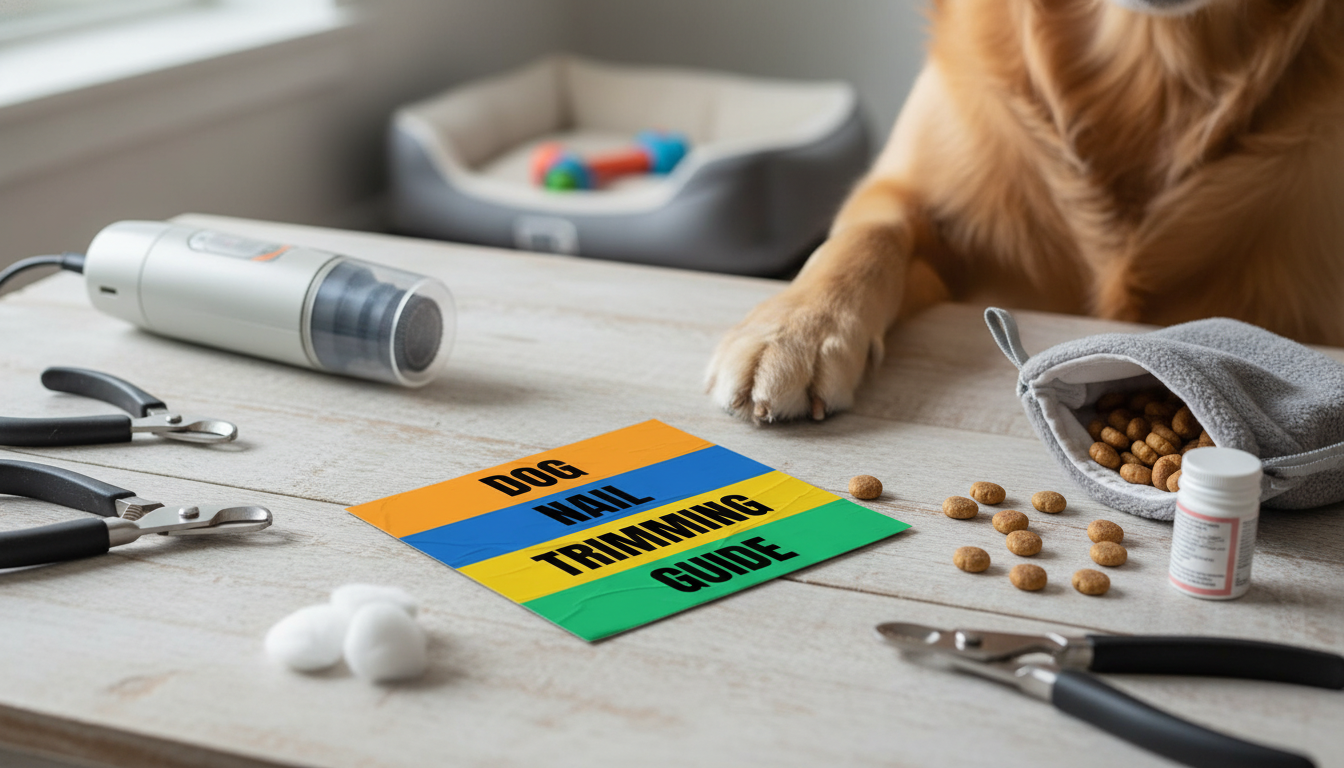
Regular nail care protects your dog’s joints, improves traction, and helps prevent painful splits or torn nails. With the right tools and a low-stress routine, most dogs can learn to tolerate (or even enjoy) quick, consistent trims. This guide walks through choosing clippers or a grinder, identifying the quick safely, trimming and smoothing with confidence, and handling common challenges like dark nails, wriggly pups, and anxious dogs.
Why Nail Length Matters for Comfort and Mobility
When nails get too long, they can change how a dog stands and walks. That subtle shift in gait may strain toes and joints over time, especially for older dogs or breeds prone to orthopedic issues. Long nails also snag more easily on carpets, blankets, or outdoor terrain, increasing the risk of cracking or tearing—which can bleed and invite infection.
A practical everyday clue: if nails frequently click on hard floors, they’re often too long (though size, posture, and flooring type can affect this). Don’t forget dewclaws—because they may not contact the ground, they often won’t wear down naturally and can curl if neglected.
Tools That Make Trimming Easier (and Safer)
The “best” tool is the one you can use calmly and consistently. Many households keep both clippers and a grinder: clippers for quick shortening and a grinder for smoothing and shaping.
- Guillotine-style clippers: Effective for small-to-medium nails when positioned correctly for a clean cut.
- Scissor-style clippers: Strong leverage for thicker nails; a common choice for medium-to-large dogs.
- Grinders (rotary files): Remove nail gradually and help shape and smooth edges—especially helpful for black nails.
- Styptic powder or gel: The most reliable way to stop minor bleeding fast. (Cornstarch can help in a pinch, but it’s less dependable.)
- Good lighting + stable surface: Helps you see nail structure and keep paws steady.
- Optional helpers: Lick mat, high-value treats, a towel wrap for small dogs, and a muzzle for safety when truly needed.
Quick tool match: what to use and when
| Tool | Best for | Pros | Watch-outs |
|---|---|---|---|
| Scissor-style clippers | Medium–large dogs, thicker nails | Strong leverage, clean cuts | Can splinter if blades are dull |
| Guillotine clippers | Small–medium dogs, thinner nails | Simple design, fast trims | Incorrect angle can crush the nail |
| Nail grinder | Sensitive dogs, shaping, black nails | Gradual removal, smooth finish | Heat/noise can bother some dogs |
Reading the Nail: Finding the Quick Without Guessing
The quick is the living tissue inside the nail. The goal is to shorten the nail while staying comfortably away from the quick.
- Light nails: The quick is often visible as a pink area. Trim small amounts and stop before the pink begins.
- Dark nails: Take tiny slices. Watch the cut surface: a pale, chalky center may appear at first; as you approach the quick, the center can look darker/softer and may show a small moist spot.
- Use backlighting when possible: A small flashlight behind the nail can help on semi-translucent nails.
- Choose frequent, small trims: With consistent maintenance, the quick may gradually recede, allowing slightly shorter nails over time.
For additional guidance from veterinary and professional sources, see the American Kennel Club’s overview at AKC and clinical tips from VCA Animal Hospitals.
Calm Handling and Positioning (a Low-Stress Routine)
A calm routine matters as much as technique. Pick a quiet time—often after a walk—when your dog is more relaxed. If paw handling is new or stressful, start with “touch-only” sessions: briefly hold a paw, press a pad gently, reward, and stop before your dog gets frustrated.
- Small dogs: Try a table with a non-slip mat. A towel wrap can reduce flailing while keeping things gentle.
- Large dogs: Many do better standing, with their body supported against your legs or near a wall for stability.
- Keep it short: For anxious dogs, trimming 1–3 nails and ending on a success is progress.
- Desensitize to tools: Pair the sight/sound of clippers or a grinder with treats from a comfortable distance before moving tools toward paws.
Step-by-Step Nail Trimming Technique
If You Nick the Quick: What to Do Next
For deeper background on claw health and common nail issues, the Merck Veterinary Manual is a helpful reference.
How Often to Trim (and How to Tell It’s Time)
Common Challenges and Fixes
When Professional Help Is the Better Option
Helpful Resources (Shop)
- Dog Nail Trimming Guide: Expert Tips, Tools, and Techniques for Healthy Paws (digital guide)
- Save Smart, Stress Less: Your Monthly Savings Calculator Guide (helpful for planning routine grooming and vet-care expenses)
FAQ
How short should a dog’s nails be?
Aim for nails that don’t routinely click on hard floors and don’t push the toes out of alignment. Trim in small increments—especially with dark nails—and keep dewclaws neatly shortened.
Is a nail grinder safer than clippers?
A grinder removes nail gradually and can reduce the chance of cutting into the quick, but some dogs dislike the noise or vibration. Either tool is safe when used correctly, with brief grinder touches to prevent heat.
What if my dog won’t let anyone touch their paws?
Start with touch-only training and high-value rewards in very short sessions, building tolerance step-by-step. If there’s panic or biting risk, use a professional groomer or veterinarian and follow a safety plan while you work on desensitization.













Leave a comment