Compact High-Pressure Bike Pump: Presta & Schrader Ready
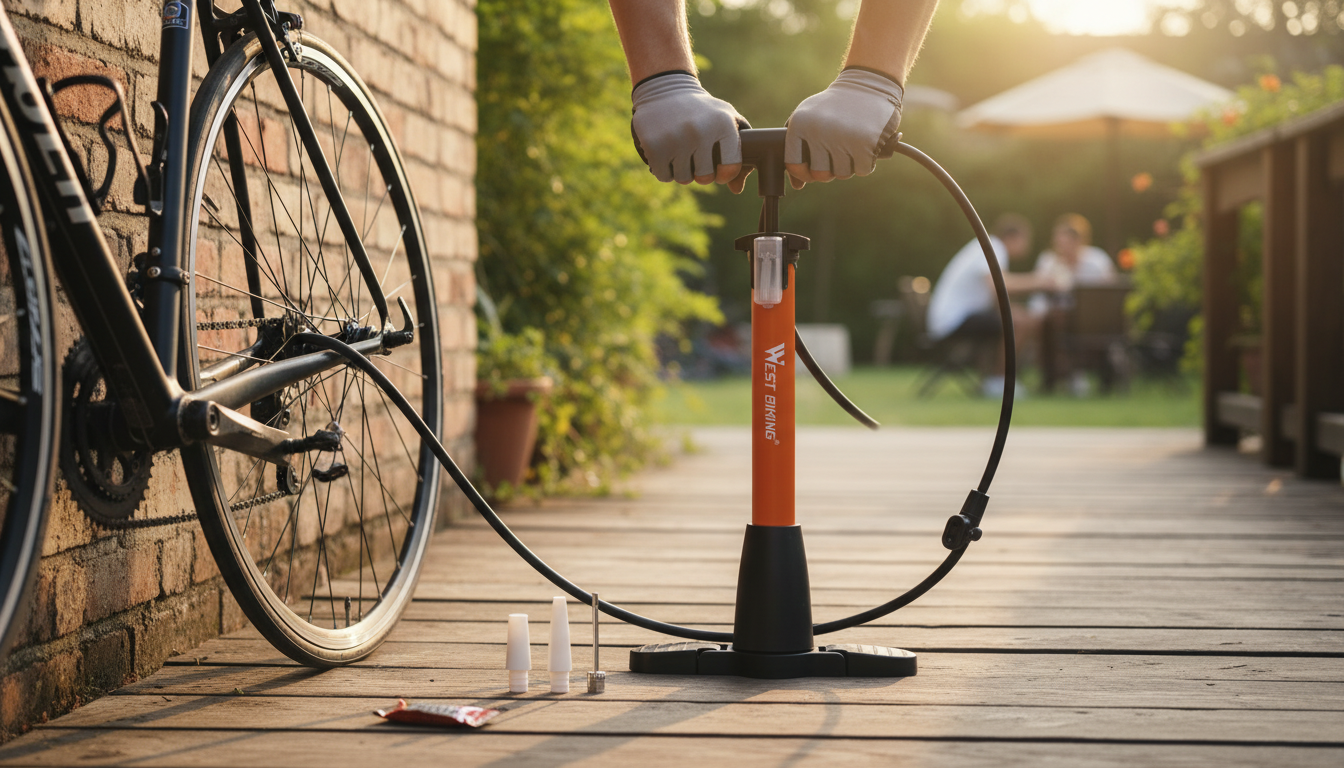
Portable High-Pressure Bike Tire Pump for All Valve Types: Fast Inflation Anywhere
A compact, high-pressure bike pump is one of the simplest upgrades for smoother rides: fewer roadside delays, better tire performance, and a reliable way to top off before every trip. The right portable pump makes it easier to stay within your tire’s recommended PSI range—whether you’re heading out for a quick commute, a long road ride, or a weekend tour with mixed surfaces. Below is a practical guide to choosing a multi-valve pump, using it efficiently, and keeping it working reliably season after season. For more guidance, see Group test: Choose the best portable cycle pumps.
Why a High-Pressure Portable Pump Matters
Consistent tire pressure changes how a bike feels immediately. Underinflated tires roll slower, squirm in corners, and are more vulnerable to damage; overinflated tires can feel harsh and lose traction on imperfect pavement. A high-pressure portable pump helps keep pressure where it should be, even when a floor pump isn’t available. For further reading, see Bicycle pump – Wikipedia.
- Maintains more consistent tire pressure for improved rolling efficiency, handling, and comfort.
- Reduces pinch-flat risk by keeping tires within the recommended range.
- Enables quick pre-ride top-offs without relying on gas stations or a bike shop.
- High-pressure capability is especially useful for road and hybrid tires that need higher PSI than many MTB setups.
- Portability supports commuting, touring, and emergency mid-ride fixes.
Valve Types Made Simple (Presta, Schrader, and More)
Most “won’t inflate” problems on the road come down to valve mismatch or a poor seal at the head. Knowing which valve is on the wheel—and choosing a pump that truly supports it—prevents wasted time and unnecessary air loss.
- Presta valves are common on road and many performance bikes. They’re slimmer and require loosening the small locknut before pumping.
- Schrader valves are common on commuter bikes and some mountain bikes, and they match the style used on car tires.
- Dunlop/Woods valves appear on some city/utility bikes; compatibility depends on the pump head design or an adapter.
- A pump built for multiple valve types reduces the need for extra adapters and lowers the chance of being stuck with the wrong head.
- Before buying, confirm whether the pump uses a reversible head, dual head, or included adapters.
Quick Valve Compatibility Checklist
| Valve type | Common bikes | What to check on the pump |
|---|---|---|
| Presta | Road, gravel, many hybrids | Head/adapter supports Presta; locks on securely; minimal air loss when disconnecting |
| Schrader | Commuter, many MTBs | Schrader fit without adapter; solid seal under higher flow |
| Dunlop/Woods | Some city/utility bikes | Included adapter or confirmed compatibility in product details |
Key Features to Look For in a Compact High-Pressure Pump
Portable pumps are a balance of size, pressure capability, durability, and ease of use. For higher-pressure tires, small design details matter—especially head security and ergonomics.
- Maximum pressure rating: Choose a pump that reaches the pressure your bike actually needs (road tires typically demand more PSI than MTB tires).
- Pump head and seal quality: A secure connection prevents wasted strokes and reduces wear on the valve.
- Hose vs. direct head: A short hose reduces stress on the valve stem and often feels steadier when pumping.
- Pressure gauge (if included): Helpful for dialing in performance; without one, pair the pump with a small gauge for accuracy.
- Build materials: Metal barrels and sturdy handles tend to hold up better under repeated high-pressure use.
- Mounting and carry options: Frame mounts, bag compatibility, and overall length/weight determine whether you’ll actually bring it.
- Ergonomics: A stable grip and efficient stroke design reduce fatigue at higher pressures.
How to Inflate Efficiently Without Leaks or Damaging the Valve
Efficient inflation is about minimizing air loss at the head and avoiding side-loading the valve stem. A few small habits make compact pumps feel faster and more reliable.
For valve and pressure fundamentals, solid references include Sheldon Brown’s tire and inflation guide and Park Tool’s inflation and tire help resources.
Best Use Cases: Commuting, Road, MTB, Touring, and E-Bikes
Care, Storage, and Troubleshooting
Recommended Picks (In Stock)
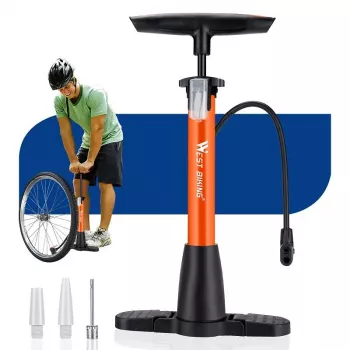
- Portable High-Pressure Bike Tire Pump for All Valve Types (high-pressure, multi-valve support; priced at $30.97)
- Calvin Klein Jeans Women’s Plain T-Shirt (an easy commuter/ride layer for casual cycling days)
- Save Smart, Stress Less: Your Monthly Savings Calculator Guide (helpful for planning bigger purchases like tires, tubes, and maintenance supplies)
Product Snapshot
| Item | Details |
|---|---|
| Name | Portable High-Pressure Bike Tire Pump for All Valve Types |
| Price | 30.97 USD |
| Availability | In stock |
| Product page | View product details |
FAQ
Will one portable pump work for both Presta and Schrader valves?
Yes—if the pump head is designed for multiple valve types (dual head, reversible head, or included adapters). Confirm how it switches between valve standards and that it seals securely on both.
How much PSI should bike tires be inflated to?
Use the recommended PSI range printed on the tire sidewall as your starting point, then adjust for rider weight, terrain, and comfort. Avoid exceeding the tire’s maximum pressure rating.
Why does a compact pump feel hard to use at higher pressure?
Portable pumps trade air volume for packability, so each stroke requires more force as pressure rises. A secure seal at the head and steady strokes help you build pressure with less wasted effort.













Leave a comment