Quiet Joy for Introverts: Hobbies & Self-Care That Fit
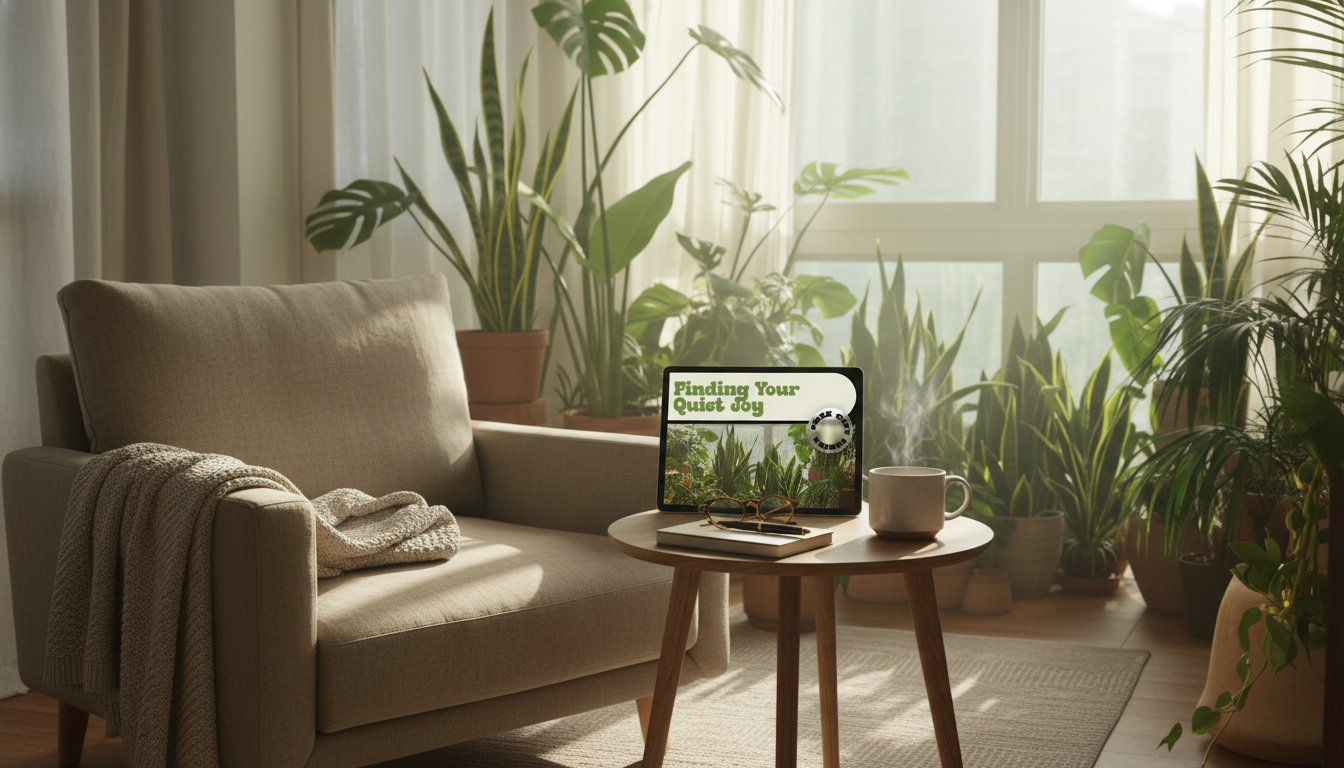
Finding Your Quiet Joy: A Gentle Path to Hobbies and Self-Care That Fit Introverts
Quiet joy often comes from activities that restore energy instead of draining it. For many introverts, the challenge isn’t a lack of interests—it’s sorting through options, expectations, and “shoulds” to find hobbies and self-care routines that feel genuinely nourishing. The goal is simple: choose low-pressure, satisfying activities, start without overcommitting, and build a steady rhythm that works with an introverted nervous system and day-to-day life.
What “quiet joy” looks like for introverts
Quiet joy tends to feel steady and private—less like a performance and more like a return to yourself. It’s the kind of satisfaction that doesn’t require an audience, constant feedback, or a highlight reel.
- Joy that feels steady, not performative: activities you can enjoy alone without explaining or “proving” them.
- Energy-aware living: hobbies that restore mental bandwidth rather than adding social, sensory, or decision fatigue.
- Meaning over intensity: small moments of absorption—reading, crafting, nature walks—often land deeper than high-stimulation pursuits.
- Permission to enjoy solitude: reframing alone time as maintenance and creativity, not isolation or avoidance.
If stress has been running high, it can help to remember that chronic stress affects the body and mind in measurable ways—sleep, mood, and concentration included (see the American Psychological Association’s overview). Quiet joy isn’t frivolous; it’s protective.
A simple self-check: match activities to your energy and needs
Instead of asking, “What hobby should I have?” try asking, “What does my body need after the day I’m having?” A quick method is the after-effect test: after an activity, do you feel calmer and clearer—or more tense and depleted?
- Identify the kind of rest that’s missing: sensory rest (less noise/light), social rest (fewer interactions), cognitive rest (fewer decisions), or emotional rest (less masking/people-pleasing).
- Choose one primary intention for the next two weeks: calm, creativity, movement, learning, or comfort.
- Use a 1–5 effort scale: keep “2–3” activities ready for low-energy days; reserve “4–5” for higher-capacity moments.
Quick matching guide: hobby style and how it tends to feel
| Hobby style | Best for | Typical energy cost | Easy ways to begin |
|---|---|---|---|
| Quiet creative (journaling, sketching, collage) | Emotional processing, self-expression | Low to moderate | 10 minutes with one prompt or one page |
| Hands-on calming (knitting, puzzles, LEGO, model kits) | Anxiety relief, focus | Low | A small kit or a 300–500 piece puzzle |
| Learning solo (language apps, online courses) | Curiosity, confidence | Moderate | One lesson a day; keep notes simple |
| Nature-based (walking, birdwatching, gardening) | Nervous system reset, grounding | Low to moderate | 15-minute walk; one plant or herb pot |
| Cozy media (reading, audiobooks, slow games) | Comfort, decompression | Low | One chapter; 20-minute timer |
Hobbies that often suit introverts (and how to tailor them)
The best introvert-friendly hobbies are flexible: they can expand when you have energy and shrink when you don’t—without guilt.
If mental health has been feeling wobbly, simple routines matter more than “perfect” routines. The National Institute of Mental Health highlights practical ways to support mental well-being—often through steady, realistic habits.
Self-care for introverts: practical routines that don’t feel like another task
- Build “quiet buffers” around social time: 10–30 minutes before and after plans to decompress can reduce irritability and shutdown.
- Create a sensory-friendly reset: dim lighting, lower noise, comfortable textures, and predictable rituals (tea, shower, gentle music).
- Set communication boundaries: shorter replies, scheduled check-ins, or choosing text over calls when possible.
- Use micro-rest instead of waiting for burnout: three minutes of breathing, a brief walk, or one small tidy action to lower overwhelm.
- Measure self-care by relief: the outcome is calm and capacity, not aesthetics. The Mayo Clinic’s stress relief tips are a helpful reminder that small changes can meaningfully reduce stress.
Getting started without overcommitting
Using a guided workbook approach to find what fits
Recommended digital guides (in stock)
- Finding Your Quiet Joy – eBook Guide to Hobbies and Self-Care for Introverts | Discover What Suits Introverts
- Save Smart, Stress Less: Your Monthly Savings Calculator Guide | Budget Planner | Digital Savings Goal Guide | How Much to Save a Month Calculator
- Train Your Mind to Think Like a Millionaire | Digital Download PDF eBook | Millionaire Mindset | Money Mindset Workbook | Abundance & Wealth Growth | Self-Improvement Planner
FAQ
How can an introvert find a hobby that sticks?
Start with a low-friction activity you can do in 10 minutes, run it as a two-week trial, and note your before/after energy. Keep a “minimum version” ready for low-capacity days so the hobby stays accessible instead of becoming another commitment.
What if self-care feels draining or hard to maintain?
Simplify to micro-rest and sensory calm—small actions that reduce load right away. Build quiet buffers around social time and choose routines that create relief rather than adding more tasks to manage.
Are there hobbies that are social but still comfortable for introverts?
Yes—monthly groups, structured classes, small gatherings with a shared activity, and asynchronous communities can feel much easier than frequent, unstructured hangouts. Keep boundaries clear and schedule recovery time so social hobbies remain sustainable.











Leave a comment