Digital Thrift Shopping Checklist for Better Secondhand Finds
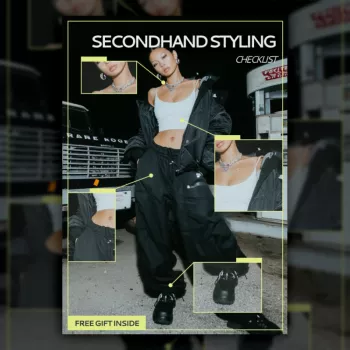
Secondhand Styling Checklist: A Digital Thrift Shopping Guide for Better Finds
A simple checklist can turn secondhand shopping into a repeatable system: know what to look for, what to avoid, and how to style each piece once it’s home. This guide walks through a practical, step-by-step process for sourcing, inspecting, planning outfits, and caring for secondhand items—especially when shopping online where you can’t try things on.
Start With a Clear Style Target
Before you open a single tab, decide what you’re actually trying to wear soon. Picking 1–2 outfit goals for the next two weeks (office days, weekend errands, an event) keeps you from collecting “interesting” items that don’t work together.
- Choose a simple color direction: two neutrals plus one accent color makes mixing easier.
- Make a quick “gap list” of what’s missing (outerwear, everyday shoes, layering tops, belts).
- Stick to silhouettes that already work on you right now—high-rise straight leg, midi skirt, cropped jacket—and skip experiments until your basics feel complete.
- Create a reference note with saved photos and your preferred rises, inseams, sleeve lengths, and necklines.
If you want a plug-and-play version of this process, keep a dedicated checklist handy while you browse: Secondhand Styling Checklist | Digital Thrift Shopping Guide.
Digital Thrift Shopping Setup (Before You Search)
Online secondhand shopping rewards preparation. Two minutes of measuring at home can save you from returns, tailoring surprises, and “almost fits” that never leave the closet.
- Measure a few best-fitting items: shoulder width, pit-to-pit, waist laid flat, inseam, rise, and total length.
- Note brand quirks and fabric preferences (like 100% cotton tees, wool-blend coats, genuine leather).
- Build a mini list of search terms and alternates (for example, “midi slip skirt” plus “bias cut skirt,” or “barn jacket” plus “chore coat”).
- Decide dealbreakers in advance: heavy pilling, missing buttons, stains in high-visibility spots, stretched elastics.
- Set a budget per category so “shipping math” doesn’t quietly erase your savings.
For a quick wardrobe anchor that layers easily with secondhand finds, a clean tee is hard to beat: Calvin Klein Jeans Women’s Plain T-Shirt.
Listing Review: What to Check Every Time
Use the same inspection routine on every listing. Consistency is what turns browsing into better buying.
- Photos: Look for front/back, close-ups of fabric, tags, hems, and any flaws. Zoom in on cuffs, collars, underarms, and inner thighs.
- Measurements: Prioritize actual garment measurements over the tagged size. Compare to a similar piece you already own.
- Material: Match fiber content to how you’ll wear it (breathability, warmth, drape, stretch).
- Condition notes: Separate cosmetic issues (easy fix) from structural ones (hard pass).
- Seller credibility: Clear descriptions, consistent lighting, and responsive Q&A reduce surprises.
- Return policy: Treat “final sale” as higher risk and shop accordingly.
Quick Secondhand Condition Checklist
| Item Type | Inspect For | Easy Fix | Skip If |
|---|---|---|---|
| Knitwear | Pilling, stretched cuffs, holes | De-pill, minor mending | Thinning areas, large holes |
| Denim | Inner-thigh wear, zipper, seams | Button/zip repair | Blowouts, severe seam splits |
| Coats | Lining tears, moth damage, buttons | Replace buttons, patch lining | Moth holes throughout, heavy odor |
| Shoes | Outsoles, heel wear, cracking | New insoles, heel caps | Cracked leather, sole separation |
| Bags | Straps, corners, hardware | Clean/condition, hardware swap | Sticky coating, severe peeling |
Fit Without a Fitting Room
When you can’t try things on, the goal is to reduce uncertainty—then choose shapes that forgive small fit differences.
- Compare listing measurements to a known favorite garment, not just your body measurements.
- For structured pieces (blazers, coats), prioritize shoulder fit first; tailoring can refine the waist and sleeves.
- For bottoms, focus on waist laid-flat and rise; a good rise can make a borderline waist feel wearable.
- Use fabric clues: non-stretch wovens need closer measurement matches, while knits allow more flexibility.
- When uncertain, choose pieces that can be styled relaxed or adjustable (oversized shirts, easy trousers, belted layers).
Build Outfits Fast: The Styling Checklist
Secondhand shopping works best when every purchase has a plan. Before you buy, mentally “place” the item into outfits you already like wearing.
Care, Cleaning, and Quick Refresh
For general consumer shopping guidance that applies to used purchases, the U.S. Federal Trade Commission’s consumer advice is a useful reference point for evaluating listings and avoiding common pitfalls.
Smart Buying Rules to Avoid Regret
If budgeting is part of your secondhand strategy, a simple monthly target can keep you consistent: Save Smart, Stress Less: Your Monthly Savings Calculator Guide.
Use a Digital Checklist to Stay Consistent
Choosing secondhand also supports waste reduction by extending an item’s life; the U.S. EPA’s reuse guidance explains why reusing and donating helps reduce overall waste.
FAQ
What measurements matter most when buying secondhand clothing online?
Focus on garment measurements that control fit: pit-to-pit for tops, shoulders for structured pieces, waist laid-flat and rise for bottoms, inseam for pants, and total length for dresses and skirts. Compare those numbers to a similar item you already own for the most reliable match.
How can condition be judged from listing photos?
Zoom in on high-wear zones like underarms, inner thighs, cuffs, collars, hems, bag corners, and shoe soles. Multiple angles, close-ups of tags, and clearly shown flaws generally indicate lower risk than dim lighting or missing detail shots.
What should be done before wearing secondhand finds?
Inspect seams and pockets, then clean based on the care label or fabric type. Air out or steam to reduce odor, and handle quick fixes like buttons, loose threads, or de-pilling before the first wear.














Leave a comment